Commercial Waste in Twickenham
Commercial waste in Twickenham needs a straightforward service that can handle everyday business rubbish, bulk clearances and repeat collections with clear sorting. We provide commercial waste removal for offices, shops, hospitality premises, landlords and other organisations that need material taken away in a tidy, practical way. The focus is on removing waste efficiently, keeping disposal compliant where relevant and giving businesses a clear route to arrange a collection when they need one.
Our service covers mixed commercial waste, recyclable materials, office contents, unwanted furniture and other non-domestic items that can build up during routine operations or a move. If you are reviewing options, the most useful first step is to identify the main waste streams and decide whether they need a single collection or a longer-term arrangement. You can also compare the type of material you need removed with our published guidance and service pages before asking for a quotation.
For a more detailed look at the kinds of work we can support, see our business waste removal page. If you are planning a broader clearance rather than a routine collection, you may also find the information on office clearance useful, especially where desks, chairs, filing items and other workplace contents need to be removed together.
Commercial collections for offices, shops and premises
Businesses often need waste removed as part of day-to-day change rather than a one-off event. A commercial collection can include bagged rubbish, broken items, packaging, shelving, stock-related debris and old fixtures that are no longer required. The aim is to make disposal manageable without disrupting trading more than necessary. For many premises, the main decision is whether the waste is best removed as a general mixed load or separated into specific material groups.
We also help with clearances where business items are being replaced or reorganised. That may involve a small number of bulky pieces or a fuller collection of equipment, furniture and general refuse. The work is easier to plan when the type of material, access and volume are understood in advance. A clear description of what is being removed makes it simpler to arrange the right vehicle and loading approach. Please request a quotation once the likely load is known.
If the job includes workplace furniture or larger items, the destination page for furniture disposal explains the kind of items that can be taken away as part of a commercial clearance. Where the material is mostly desks, seating or other office pieces rather than loose waste, that can be a helpful way to match the service to the task without overcomplicating the arrangement.
Office waste and workplace items
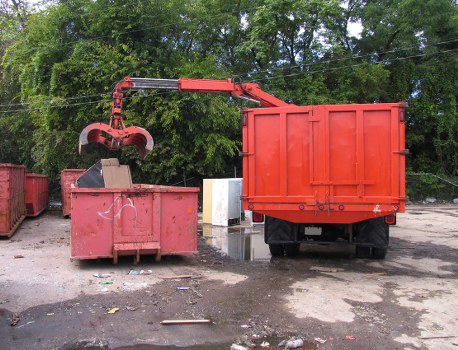
Office waste is rarely just paper. It can include packaging, filing cabinets, shelving, IT peripherals, worn seating, damaged tables and the accumulated contents of storage areas. Removing these items in a planned way helps a business recover usable space and keeps the disposal process focused on what actually needs to go. We can support collections where the load is mixed, provided the items are appropriate for the service and can be removed safely.
Some businesses want a single clearance after an office change, while others need repeated collections during refurbishment, relocation or reorganisation. The best option depends on how much material is ready, whether it is spread across multiple rooms and how quickly it needs to be taken away. Where confidential papers or records are involved, the waste stream should be considered separately so the disposal method fits the material. Send a brief summary of the workplace items when you enquire.
For organised office removals, office clearance gives a clearer picture of the sort of work involved. If any records need secure handling rather than ordinary disposal, the page on confidential shredding is relevant because it covers a different class of material and helps keep paper-based waste separate from general commercial rubbish.
Bulky items, fixtures and furniture
Commercial premises often need bulky items removed when furniture becomes outdated, layouts change or new equipment arrives. Chairs, tables, cabinets, reception furniture and shelving can all take up space long after they have stopped being useful. In many cases, the key issue is not the individual item but the amount of room it occupies and the effort needed to move it safely. A clear collection plan helps avoid unnecessary disruption to work areas.
When furniture is part of the load, it is worth distinguishing between reusable-looking items, damaged pieces and mixed rubbish. That helps determine how the collection should be described and what other waste may need to go with it. Businesses that are replacing interior fittings often prefer a service that can remove several types of object in one visit, rather than arranging separate disposals for each category. Good preparation usually means knowing what stays on site and what is ready to go.
Useful related information is available on the furniture clearance page, which can help when the task is mainly about removing grouped furnishings rather than loose business waste. For items that are no longer fit for use and need a disposal route, the broader furniture disposal page is also relevant because it describes a more specific treatment of furniture-based loads.
Waste types we can help remove
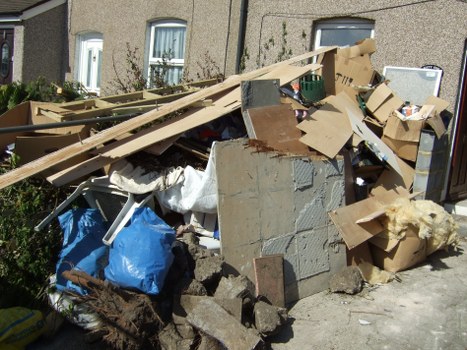
Commercial waste is not limited to one format, so the type of material matters when planning a collection. Typical loads can include general rubbish, cardboard, plastics, unwanted furniture, office items, light dismantled fittings and other non-hazardous business waste. Separating obvious recyclables from mixed refuse can make a load easier to describe and may support a more orderly collection. The main point is to match the disposal method to the contents rather than treating all waste as identical.
Some waste streams need a more specific route. For example, electrical appliances and refrigeration units are better handled through a disposal page that reflects their particular construction, while potentially difficult material should be checked before inclusion in a general collection. This reduces the chance of problems when loading or disposal arrangements are made. If the contents are unusual, it is better to ask first than to assume they can be collected in the same way as everyday office rubbish.
- General mixed commercial waste from day-to-day operations
- Office furniture and workplace contents
- Cardboard, packaging and light recyclable material
- Bulky items from refits, closures or reorganisations
- Selected specialist items where a matching disposal page is available
For loads that include cold appliances or similar equipment, the page on fridge and appliance removal is a better fit than a general collection description. If the business is dealing with heavier domestic-style items as part of a property transition, house clearance may also be useful in the broader website structure, though it is distinct from ordinary commercial waste removal.
How to arrange a practical quotation
A useful quotation starts with a clear description of the waste, its approximate volume and where it is located within the premises. If you can describe access, floor level, parking limitations or any lifting concerns, that helps narrow the likely work involved. Photographs are often helpful, but a written list can be enough where the load is straightforward. The aim is to make the request specific enough that the service can be matched properly.
Where several waste types are involved, it is sensible to group them by category rather than sending a single vague description. That may mean separating office furniture from loose rubbish, or identifying whether any electrical, awkward or specialist items are included. The better the detail, the easier it is to give a practical price indication and avoid confusion later. Keep the description honest and complete, especially if anything is heavy, bulky or difficult to move.
The website’s pricing and quotes page is the best place to see how quotation requests are handled. If you already know the load is ready, you can use the same route to book online once you have checked the service details and are happy with the arrangement you want to make.
Clearance work for garages, lofts and storage areas
Commercial premises sometimes include back rooms, storage cupboards, loft spaces or garage-style areas where old materials accumulate over time. These spaces often contain a mixture of files, packaging, broken fixtures, old stock containers and items left from previous setups. Removing the contents requires a practical approach because the load is usually less uniform than the items kept in a main office or shop floor area. A good clearance plan starts by identifying what is being kept and what can go.
These storage-led jobs are usually easier when the contents are sorted in advance into obvious groups: reusable items, waste items and anything that needs further checking. That makes the clearance more efficient and helps avoid accidental removal of materials that are still needed. It also makes it easier to estimate the effort involved, especially where access is narrow or items have been stacked for a long time. One brief inventory is often enough to get the process moving.
For storage areas rather than general business waste, the pages on garage clearance and loft clearance explain the related forms of work in more detail. If the items are part of a wider property clean-out, the broader home clearance page may be useful as a point of reference, although commercial collections remain the main subject here.
About Twickenham
Twickenham is a south-west London district on the River Thames, long associated with riverside scenery, sporting life and a layered urban history that stretches well beyond its modern commuter identity. The settlement grew from an older Thames-side village into a place shaped by transport links, riverside villas and later suburban development. Its character still reflects that mix, with quieter residential streets, stretches of open space and a town centre that combines historic fabric with more recent commercial frontages. Marble Hill House, an early 18th-century villa on the riverbank, is one of the area’s best-known landmarks and illustrates the significance of the river corridor in the locality’s architectural history. The Thames Path passes through the district, linking embankment views, moorings and public open space, while nearby Marble Hill Park gives the riverside a broad landscaped setting. Twickenham Stadium, the principal ground for English rugby union, adds a major sporting landmark with strong cultural associations, and match days bring a distinctive rhythm to the district’s streets. The town also contains a number of churches, period houses and civic buildings that reflect successive phases of growth from village to suburb. Twickenham Green, York House Gardens and the areas around Church Street contribute to the sense of a place that mixes leisure, heritage and everyday local use. The River Crane and nearby tributaries add another layer to the geography, while rail and road connections have helped tie the district to the wider borough and central London. In everyday terms, Twickenham is best understood as a settled Thames-side district with historical depth, green spaces and a strong identity that remains visible in both its built environment and its public landmarks.
If you need a straightforward commercial waste collection, the next step is to decide what is ready for removal and what should stay on site. That simple distinction usually makes the enquiry quicker and helps keep the job focused. When the load is clear, it becomes easier to compare collection options and plan the practical side of the work. Use the service pages above to match your waste type to the right route.
Recycling, sorting and responsible disposal
A commercial waste collection is often most effective when the contents are separated sensibly before they are loaded. Cardboard, plastics, office paper and furniture may each need different handling, and even when a mixed collection is suitable, obvious sorting can improve the overall process. This does not mean everything must be perfectly separated in advance, but it does help to identify materials that are clearly distinct from general waste.
Responsible disposal also means checking whether items should be diverted away from the ordinary load. Some materials are better described through a specialist page, while others may need more careful handling because of their construction or condition. This is especially relevant when businesses are closing, renovating or replacing equipment in bulk. A sensible approach is to treat ordinary business waste as one stream and to flag anything unusual before the collection is arranged.
Our recycling and sustainability page sets out the broader approach to reusing and diverting material where appropriate. If the load includes items that clearly do not belong in a general collection, the page on hazardous waste disposal is a reminder that certain materials need a different route and should be described carefully before any arrangement is made.
Preparing the site for collection
Most commercial waste jobs go more smoothly when the items are accessible and the collection point is easy to identify. That does not mean the premises must be rearranged, only that the waste should ideally be ready to inspect and remove without unnecessary searching. If items are spread over several rooms, it is helpful to note that in the enquiry so the collection can be planned realistically. The same applies where there are stairs, tight corridors or shared access areas.
Keeping the waste visible and grouped in one place can make the collection simpler, especially if the premises are still in use while the work is being arranged. Where the load includes mixed items from different parts of the building, a short note about what is at each location can prevent delays. Clear access, clear contents and a clear description are the three practical details that usually matter most when preparing for a quotation.
When you are ready to move ahead, the most direct route is to review the relevant service page and then ask for a quotation through the normal contact path. If the load includes office furniture, loose commercial waste or a mix of items, we can help you find the nearest fit. Please request a quotation once you have the details to hand.