Avoid hidden rubbish removal costs in Twickenham
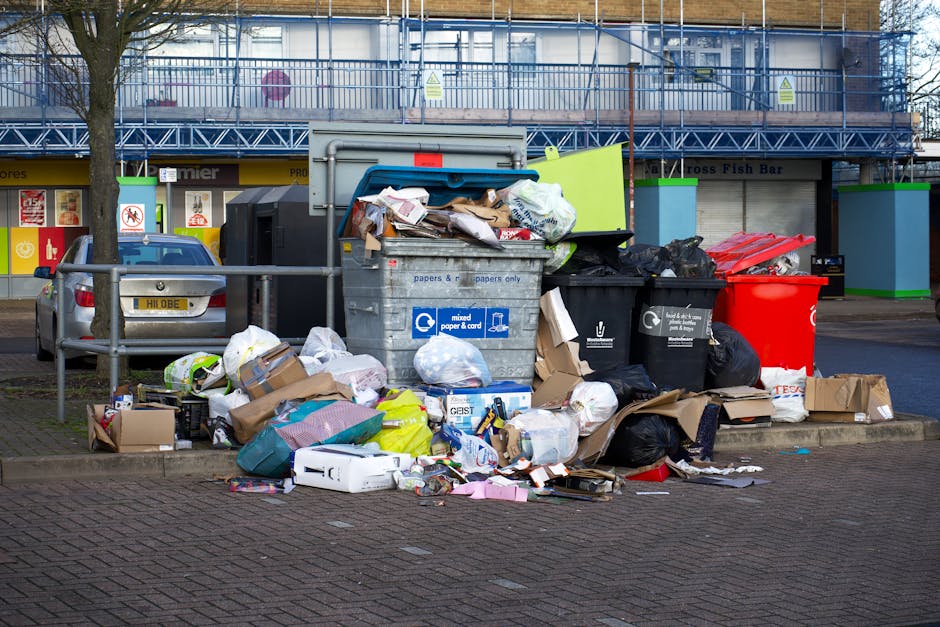
If you have ever booked a rubbish clearance and then felt a bit blindsided by the final bill, you are not alone. Hidden rubbish removal costs can creep in through access issues, disposal charges, minimum load rules, or vague wording in the quote. In Twickenham, where homes, flats, gardens, lofts, and busy commercial spaces all come with their own quirks, those extra charges can catch people out fast. This guide shows you how to avoid hidden rubbish removal costs in Twickenham, what to ask before you book, and how to compare services without getting lost in the small print.
To be fair, most of the stress comes from uncertainty rather than the collection itself. Once you know what should be included, what should be queried, and where the usual traps sit, the whole process becomes much easier. You will also find a practical checklist, a comparison table, and a real-world example to help you make a cleaner decision.
Why hidden rubbish removal costs in Twickenham matter
Hidden charges are not just annoying; they can completely change whether a clearance feels good value or not. A quote that looks competitive at first glance may become expensive once the team arrives and discovers extra bags, awkward access, a second-floor carry, or waste that needs special handling. In a place like Twickenham, where you might be clearing a Victorian terrace in one street and a top-floor flat in another, the cost structure matters just as much as the headline price.
It also matters because waste removal is often time-sensitive. You may be moving out, finishing a refurb, clearing a garage before a delivery, or getting a business space ready for the next day. When time is tight, it is tempting to say yes to the first reasonable-looking quote. That is exactly when vague pricing can cause headaches. A good provider should make the total easy to understand before anyone loads a single sack.
There is another angle too: trust. If a company is clear about labour, disposal, access, and prohibited items, you can judge them properly. Transparency usually says a lot about how they run the rest of the job. For a broader overview of service standards and business values, it can help to read the company's about us page and its guidance on pricing and quotes.
Expert summary: The easiest way to avoid surprise charges is to treat a rubbish removal quote like a mini contract. Confirm exactly what is included, what might cost extra, and what happens if the volume or access changes on the day.
How rubbish removal pricing usually works
Most rubbish removal pricing is built around a few predictable ingredients. Once you understand them, the numbers make a lot more sense. The final price is often based on volume, weight, item type, labour time, disposal fees, and how straightforward the collection is. Sometimes the quote is fixed. Sometimes it is an estimate that can change if the job differs from the description. That is where hidden costs often appear.
Here are the main pricing factors you are likely to come across:
- Volume of waste: How much space your items take up in the vehicle or skip.
- Type of waste: Mixed household waste, builders' rubble, green waste, furniture, electrical items, and special materials are rarely treated the same way.
- Labour: Some services include lifting from inside the property, while others only collect from kerbside or ground level.
- Access: Narrow stairwells, long walks from the property to the vehicle, parking restrictions, or no lift access can all affect cost.
- Special handling: Items such as fridges, mattresses, sofas, or potentially hazardous waste may require separate processing.
- Disposal route: Responsible sorting and recycling can influence pricing, especially where materials need to be separated properly.
It is worth asking whether the price includes loading, sorting, fuel, parking, disposal, and any congestion or access considerations. A quote that sounds simple but gives no detail is usually the one to question.
For some jobs, a service like waste removal is the better fit. For others, a more targeted service such as furniture clearance or builders waste clearance may avoid unnecessary extras because the provider knows exactly what they are collecting.
Key benefits and practical advantages
Transparent pricing gives you more than peace of mind. It helps you choose the right service, budget properly, and avoid awkward back-and-forth on the day of collection. That matters whether you are clearing one bulky item or several rooms' worth of clutter.
- No nasty surprises: You know what you are paying before the team turns up.
- Better budgeting: Useful if you are moving house, renovating, or managing business cash flow.
- Faster decisions: Clear pricing helps you compare options without spending half the morning decoding vague emails.
- Reduced delays: When the provider understands access and waste type upfront, the collection is less likely to stall.
- Better service fit: You can tell whether you need house clearance, flat clearance, office clearance, or a specialist disposal route.
There is also a practical advantage that people sometimes miss: transparency often improves communication. If the company explains how they price, they are more likely to explain what can and cannot go in the load, which matters for safe and lawful disposal. That is especially useful for awkward items like appliances, mattresses, and mixed waste.
In day-to-day terms, the difference is simple. One quote gives you confidence. The other gives you a headache halfway through the job. You probably know which one you want.
Who this is for and when it makes sense
This guide is useful if you are a homeowner, tenant, landlord, letting agent, tradesperson, small business owner, or anyone else trying to clear waste in Twickenham without overpaying. The exact situation changes, but the risk is similar: you need the job done properly, and you do not want the price to drift.
It makes particular sense in these situations:
- House moves: You are clearing furniture, boxes, and leftover items before completion day.
- Flat clearances: Stairs, lifts, parking, and neighbour access can all affect cost.
- Loft or garage clear-outs: These jobs often uncover more waste than expected.
- Renovations: Builders' debris can become heavier and more expensive than general rubbish.
- Garden projects: Soil, hedge cuttings, fencing, and broken pots are not all priced the same.
- Business clean-outs: Office furniture, paperwork, and confidential materials may need separate handling.
For domestic clients, services such as house clearance, home clearance, loft clearance, or garage clearance may be a better fit than a generic waste collection. For businesses, office clearance or business waste removal can be more efficient because the load can be planned around desks, paper, IT equipment, or routine commercial waste streams.
Step-by-step guidance
If you want to avoid hidden rubbish removal costs in Twickenham, do not start with the booking. Start with the waste. A little prep now can save a fair bit later.
1. Sort the waste into simple groups
Separate bulky furniture, bags of general rubbish, garden material, builders' waste, and anything potentially hazardous. You do not need to overcomplicate it. Just create clear piles so you can describe the job accurately.
2. Check for awkward items
Fridges, freezers, mattresses, sofas, and appliances often have special handling rules or pricing. If you are unsure whether something needs separate treatment, ask before the team arrives. The same goes for anything sharp, damp, heavy, or contaminated.
3. Measure access properly
How far is the waste from the road? Are there narrow stairs, a lift, a rear alley, or parking restrictions? Even a quick phone video can be more useful than a long written description. Honestly, a 30-second walk-through video can save a lot of guesswork.
4. Ask for a written quote
Get the price in writing and make sure it says what is included. If the company only gives you a vague verbal estimate, ask for the details by email or message. You should know whether labour, loading, and disposal are included.
5. Confirm what would change the price
Ask the simple but crucial question: what could cause the final amount to increase? Good answers include extra volume, different item types, unexpected access problems, or prohibited waste. If the answer is evasive, take note.
6. Check the disposal route
Responsible rubbish removal is not only about hauling items away. It is also about where they end up. If the provider separates waste for recycling and manages different waste streams properly, that is a strong sign. You can review a company's approach through its recycling and sustainability information.
7. Book only when the quote makes sense
At that point, compare value rather than just price. A slightly more expensive service that is clear, insured, and specific can be cheaper in the end than a bargain quote with surprise add-ons. Annoying, but true.
Expert tips for better results
In our experience, the best way to keep costs under control is not to hunt for the cheapest headline price. It is to remove uncertainty before the quote is accepted. That sounds obvious, but people skip it all the time.
- Describe the worst-case load, not the ideal one. If the loft is full of mixed bits and pieces, say so. Understating the job is how surprises happen.
- Ask whether loading time is included. One heavy item might be simple; ten awkward items on the third floor are a different story.
- Check whether the company charges by van space or weight. Different pricing models suit different jobs.
- Keep prohibited waste separate. This helps avoid a last-minute refusal or extra handling fee.
- Plan access before collection day. Move cars, clear doorways, and reserve the space if you can.
- Be precise about stairs and lifts. "Flat on second floor" is useful. "Easy access" is not, really.
Another useful tip: ask what happens if the team arrives and the load is smaller than expected. A transparent provider should not charge you as though the extra waste existed. Likewise, if the waste is bigger, the reason for the revised price should be clear and reasonable.
If you are dealing with sensitive materials, confidential paperwork, or old files, services like confidential shredding may be a smarter route than general rubbish removal. It is one of those things people forget until the boxes are already stacked by the hallway.
Common mistakes to avoid
Most surprise charges come from a short list of mistakes. Once you know them, they are easy to spot. Easy to say after the fact, I know, but still useful.
- Choosing a quote that is too vague: If the service does not explain what is included, you are effectively guessing.
- Ignoring access issues: Parking problems and stairs do not magically disappear on collection day.
- Mixing specialist waste with general rubbish: A load with mixed materials may need separate pricing.
- Forgetting bulky item charges: Sofas, fridges, and mattresses may not be treated like bagged waste.
- Assuming all "same-day" services include everything: Speed and simplicity are not always the same thing.
- Not reading the terms: The small print is usually where the fee triggers live.
Another common one is failing to ask about disposal restrictions. If something is hazardous, sharp, or regulated, the company may need a different process. A sensible provider will explain that clearly rather than just adding a charge at the end.
Also, do not be embarrassed to ask basic questions. Really. Any decent company would rather answer them now than sort out confusion at the kerbside later.
Tools, resources and recommendations
You do not need fancy software or a complicated spreadsheet to avoid hidden rubbish removal costs. A few simple tools are usually enough.
- Phone camera: Take photos of the waste, access route, stairs, and parking situation.
- Notes app: List item types, approximate quantity, and anything special such as freezer units or heavy rubble.
- Tape measure: Useful for bulky items, doorways, and tight hallways.
- Email: Keep your written quote and any clarifications in one place.
- Short video walkthrough: Extremely helpful for lofts, garages, flats, and office clearances.
For further decision-making, the most useful pages are usually the ones that explain how a provider handles payment, safety, and booking. If you want to understand the process end to end, take a look at payment and security, insurance and safety, and book online. Those pages can help you judge whether the process feels orderly and transparent rather than rushed.
A quick practical recommendation: if the job is more complex than it first looked, do not try to force it into a generic rubbish quote. A more specific service page, such as mattress and sofa disposal or fridge and appliance removal, may fit better and reduce surprises.
Law, compliance, standards and best practice
Waste removal in the UK is not just a logistics job; it also has a compliance side. You do not need to know every rule in detail, but you should expect the company to manage waste responsibly and to explain any restrictions honestly. If a provider is vague about disposal, that is a warning sign.
At a practical level, good best practice usually includes proper sorting, safe lifting, responsible transport, and disposal through appropriate routes. For items that may be hazardous or require specialist handling, the provider should say so plainly. That is especially relevant for substances, certain appliances, sharp materials, and anything that could create a risk during transport or disposal.
Households and businesses also need to think about privacy and security. If you are getting rid of paperwork, old files, or records, using a confidential shredding service is a smarter option than just tossing documents into a mixed load. Similarly, if you are clearing an office or commercial site, ask how the provider handles data-bearing items and whether they have a clear complaints route in case something goes wrong. The company's complaints procedure and terms and conditions should make the rules easier to understand.
Insurance matters too. If a team is working in a tight hallway, a communal stairwell, or a property with delicate finishes, you want to know they are operating responsibly. It is not glamorous, but it matters. Quite a lot, actually.
Options, methods, and comparison table
Not every clearance needs the same solution. The right choice depends on the size of the job, the type of waste, and how much you want handled for you.
| Option | Best for | Potential cost risk | What to check first |
|---|---|---|---|
| General rubbish removal | Mixed household waste, bags, and everyday clutter | Medium if volume is unclear | What is included in the load and labour |
| House or home clearance | Whole rooms, end-of-tenancy clear-outs, larger domestic jobs | Medium to high if access is awkward | Stairs, parking, and bulky items |
| Furniture clearance | Single items or multiple bulky pieces | Medium if sofas or large wardrobes are involved | Whether dismantling or carry-down is included |
| Builders' waste clearance | Renovation debris, timber, rubble, offcuts | High if heavy materials are mixed in | Type of building waste and weight limits |
| Specialist appliance disposal | Fridges, freezers, and similar items | Medium if item type was not disclosed | Whether the appliance is plugged in, full, or difficult to move |
The table is not about finding the cheapest category every time. It is about choosing the one that matches the waste properly. That alone can cut out half the hidden-cost problem.
Case study or real-world example
Here is a simple example. A family in Twickenham planned to clear a garage and book a single rubbish removal visit. At first, they thought it was just a few bags, an old chest of drawers, and a broken freezer. Then, while sorting, they found leftover DIY offcuts, a garden bench, several paint tins, and a pile of damp cardboard. Easy to see how the quote could shift.
Instead of sending one vague message saying "garage waste needed," they took photos, listed the items, and separated the potentially awkward materials. They also measured the access from the garage to the street and noted that parking would need a short stop right outside. The provider could then quote more accurately, explain which items were acceptable, and flag the freezer and paint tins as items needing specific handling.
The result was not magic. Just clarity. No awkward surprise on the day, no haggling at the door, and no "oh, that will be extra" moment after the van was loaded. It sounds small, but that kind of smooth handover is exactly what people want when the rest of the week is already busy.
For a job like that, a service such as garage clearance may have been a better fit than a broad brush rubbish collection. The price might not be the lowest on paper, but it is often the better value once everything is counted properly.
Practical checklist
Use this before you book. It is quick, and it saves time.
- Have I listed every item or waste type accurately?
- Have I included bulky items, heavy items, and any specialist waste?
- Do I know whether the quote includes labour and loading?
- Have I mentioned stairs, lifts, parking, and walking distance?
- Do I have the price in writing?
- Have I asked what could change the final cost?
- Do I know whether recycling, disposal, and fuel are included?
- Have I checked whether the provider is suitable for the specific job type?
- Do I understand the terms and conditions well enough to proceed?
- Have I asked about payment method and security?
Quick rule of thumb: if you would need to explain the job twice to a friend, explain it twice to the clearance company too. Better still, send photos. Saves everyone time.
Conclusion
Avoiding hidden rubbish removal costs in Twickenham is mostly about clarity, not luck. When you know what is being collected, how access affects the job, and what the quote actually includes, the whole process becomes much easier to trust. That is true whether you are clearing a flat, a garden, an office, or a house full of mixed items after a long weekend of sorting.
The best providers make pricing feel straightforward because they ask good questions up front. Your job is to answer them honestly and keep an eye on the detail. A few minutes of preparation can save a fair bit of money, and a fair bit of stress too. Not a bad trade, really.
If you are ready to move from guesswork to a clear plan, take the next step with a provider that explains its process properly and keeps the quote transparent from the start.
Get a free quote today and see how much you can save.
And if you are still weighing things up, that is fine. A good decision usually starts with a calm one.
Frequently Asked Questions
What causes hidden rubbish removal costs most often?
The most common causes are unclear waste descriptions, unexpected access problems, bulky items, specialist disposal needs, and quotes that do not spell out labour or disposal fees.
How can I tell if a rubbish removal quote is transparent?
A transparent quote tells you what is included, what could change the price, how the waste will be handled, and whether labour, loading, and disposal are part of the total.
Is a fixed quote always better than an estimate?
Not always. A fixed quote is great when the job is clearly defined. An estimate can still work, but only if the provider explains the conditions that might affect the final amount.
Do stairs and no-lift access usually cost more?
They can. If the team has to carry waste down several flights or walk a long distance from the property to the vehicle, that extra labour may affect the price.
Are fridges, mattresses, and sofas usually priced differently?
Often, yes. These items can need special handling or disposal routes, so they may be charged separately or treated as specialist items.
What should I ask before booking rubbish removal in Twickenham?
Ask what is included, whether labour and disposal are covered, how access affects the price, what items are excluded, and whether the quote could change on arrival.
Can I reduce my rubbish removal cost by sorting items first?
Yes. Sorting waste into clear groups helps the provider assess the job properly and can avoid the price changes that come from mixed or unclear loads.
Should I mention every small item?
Yes, especially if there are many of them. A bag here and a box there can add up quickly, and the quote is only reliable if the company knows the real volume.
What if I have hazardous or unusual waste?
Do not bundle it in with general rubbish. Ask how it should be handled, because hazardous or special waste often needs different treatment and pricing.
Does recycling affect the price?
It can, depending on the materials involved and how much sorting is needed. Responsible recycling is usually a good sign, though it may influence the overall cost structure.
How do I avoid being charged more on the day?
Be precise in your description, share photos, confirm the terms in writing, and make sure the access details are accurate before collection day.
Is it worth using a specialist clearance service instead of general rubbish removal?
Often, yes. If you are clearing furniture, a loft, a garage, or a full property, a specialist service can be more efficient and may reduce the chance of surprise charges.