Commercial Waste Twickenham: Recycling and Sustainability Strategy
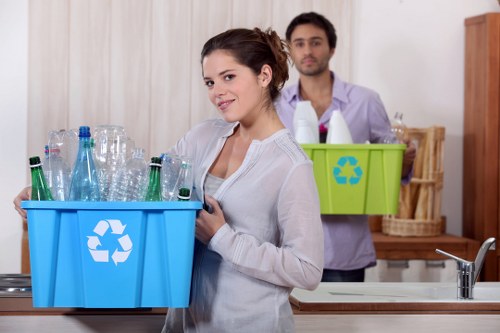 Commercial Waste Twickenham is committed to establishing an eco-friendly waste disposal area across the borough, focusing on practical steps that reduce landfill and cut emissions. Our approach blends commercial collection improvements with local partnerships to ensure businesses in Twickenham, Richmond and surrounding boroughs can access a truly sustainable rubbish area. We prioritise clear separation at source, targeted reuse streams and ongoing measurement so that every commercial client contributes to a circular local economy.
Our near-term recycling percentage target is to achieve 65% commercial recycling by 2028, rising to 75% for divertible materials by 2032. This target reflects the specific opportunities in the area — from hospitality and retail waste to offices and light industrial generators — and aligns with broader London goals for resource efficiency. We publish annual progress metrics and use them to refine routes, sorting and outreach.
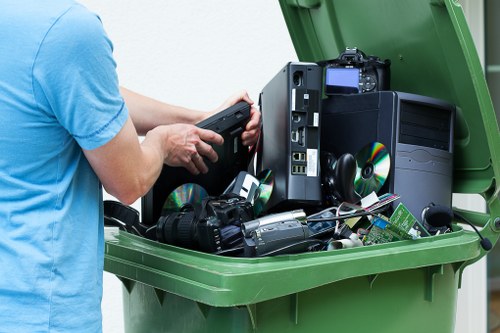 Many boroughs, including Richmond upon Thames, support a mixed separation model: separate containers for paper and card, glass, mixed plastics, food waste and textiles. In line with that framework, our collections encourage businesses to separate streams at source. Typical recycling activities in the area include kerbside-style cardboard baling for shops, segregated glass collection for pubs and restaurants, and dedicated organics bins for food waste from cafés and markets.
Local transfer stations play a pivotal role in the system. We work closely with nearby facilities that serve south-west London — transfer stations in Richmond and wider West London — and where appropriate with larger hubs such as Mogden for onward processing. These nodes allow us to consolidate loads, reduce vehicle miles and ensure materials are routed to the correct processing streams: composting, MRFs (materials recovery facilities) or specialist recyclers for WEEE and metals.
Partnerships with charities and social enterprises are a key pillar of our strategy. We partner with organisations such as The Felix Project, British Heart Foundation and local community groups to redirect good usable items: surplus food, furniture, textiles and small appliances. These relationships support social value: items are reused where possible and profits/support go back into the community, reducing the need for raw-material production.
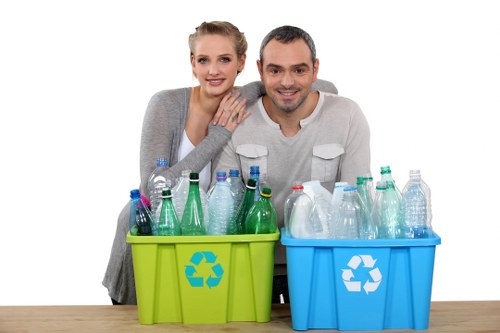 For organics and food waste, we operate segregated collections that feed anaerobic digestion and composting facilities, turning waste into energy and soil improvers. Our vehicle fleet includes low-carbon vans — a mix of fully electric vans, plug-in hybrids and Euro 6 compliant vehicles — and we deploy cargo bikes for short urban collections. These choices reduce emissions in the sustainable rubbish area and help meet local air-quality objectives.
Practical Steps for an Eco-Friendly Waste Disposal Area
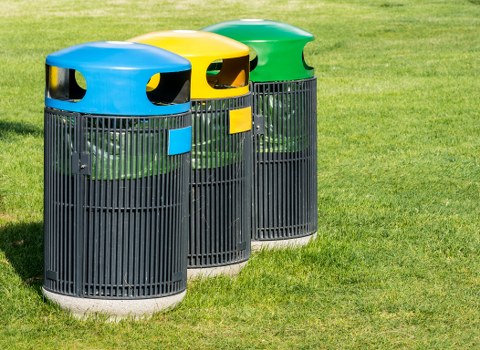
On-site segregation is central: clear signage, colour-coded bins and staff training make separation simple for employees. We recommend a scalable system for businesses, with options to add secure recycling cages for cardboard, lockable containers for confidential paper and dedicated bins for food and liquids. Commercial waste in Twickenham benefits from this pragmatic, modular approach because it adapts to changing waste profiles without costly infrastructure changes.
Common commercial recycling activity types include:
- Cardboard and paper baling from retail and distribution
- Glass and aluminium from hospitality venues
- Food waste collection for AD and composting
- WEEE (small electricals) and batteries directed to specialist recyclers
- Construction and demolition aggregates separated for recycling
Compliance, Reporting and Borough Collaboration
We align with Richmond upon Thames reporting requirements and national regulations for commercial waste carriers. Regular audits, weighbridge data from transfer stations and client dashboards provide transparent reporting on diversion rates, carbon savings and progress toward the recycling percentage target. This information allows businesses to meet sustainability procurement criteria and demonstrate verifiable impact.
 Logistics innovation delivers carbon savings. Route optimisation software, combined with low-carbon vans and consolidated collections to local transfer stations, trims vehicle miles and idling time. For micro-collections in congested streets we deploy electric vans and cargo bikes, reducing noise and emissions in central Twickenham while maintaining efficient service for shops, cafés and professional offices.
We also support repair and reuse networks: collaboration with repair cafés and social enterprises extends the life of office equipment and furniture, and charities collect surplus stock to redistribute locally. These initiatives foster a circular economy mindset where the sustainable rubbish area becomes a source of materials and community benefit rather than a cost center.
 In summary, our vision for Commercial Waste Twickenham is practical, measurable and community-focused. By setting a clear recycling percentage target, partnering with local transfer stations and charities, and operating a low-carbon fleet, we make it easy for businesses to participate in an eco-friendly waste disposal area. Together with borough policies on waste separation and recovery, these actions create resilient waste systems that protect resources, cut emissions and deliver local social value.
