Commercial Waste Twickenham Health & Safety Policy
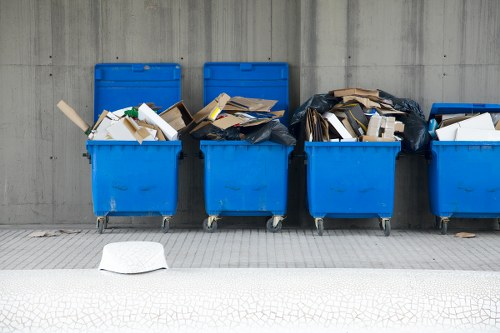
This policy sets out the commitment of our commercial rubbish collection and waste management team to maintaining safe working environments across all service areas. It applies to everyone involved in the collection, transport, handling and disposal of commercial waste in and around the Twickenham service area and supports consistent practice across sites. The purpose is to prevent injury, reduce health risks and promote safe, legal operations for all employees, contractors and partners.
Scope and Responsibilities
All staff engaged in commercial waste collection Twickenham activities must follow the policy. Management has a duty to provide training, safe equipment and clear procedures; supervisors are responsible for monitoring compliance; and employees must use equipment safely and report hazards promptly. This includes drivers, loaders, operatives and office-based staff who coordinate collection schedules and waste documentation. The policy covers routine operations, customer site visits, vehicle maintenance and incident reporting.
Risk Assessment and Control Measures
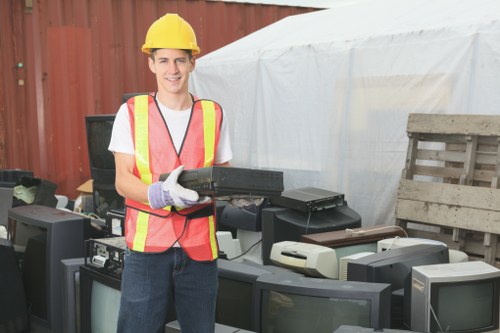
Regular risk assessments are conducted for each route, depot and customer site to identify potential risks associated with commercial rubbish services. Controls implemented include safe manual handling protocols, segregation of hazardous materials, use of mechanical aids, secure loading procedures and vehicle stability checks. Where risks cannot be eliminated they are reduced to the lowest reasonably practicable level by engineering, administrative and personal protective equipment (PPE) controls. Supervisors will record assessment findings and review them periodically or when circumstances change.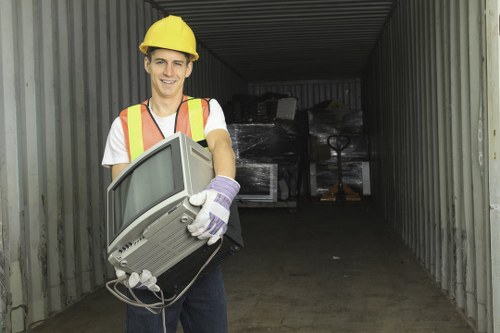 Personal protective equipment is mandatory for all operatives working on commercial rubbish collection, especially during loading and when handling potentially hazardous waste. Required PPE includes high-visibility clothing, gloves suitable for waste handling, safety footwear, eye protection and respiratory protection when encountering dust or fumes. PPE is a last line of defense and must be properly maintained and replaced when defective. Training covers correct selection, donning and maintenance of PPE.
Vehicle safety and maintenance are critical components of waste management Twickenham operations. Vehicles used for commercial waste collection are checked daily for brakes, tires, lights and secure load restraints. Drivers complete pre-shift inspection checklists and report defects immediately. Loading protocols prevent overloading, ensure balanced weight distribution and secure containers to reduce risks during transit. Where mechanical lifts or compactors are used, lockout procedures and manufacturer guidelines are strictly followed.
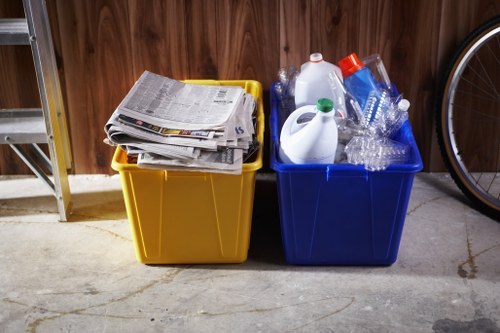 Safe handling and segregation are essential to protect workers and prevent environmental contamination. Waste streams are separated into recyclable, organic, non-recyclable and hazardous categories before collection where possible. Procedures prohibit the mixing of incompatible wastes and define actions to take if hazardous substances are discovered unexpectedly. Staff are trained to recognise potentially dangerous materials and to isolate them until specialist removal can be arranged.
 Training and competence form the backbone of a proactive health and safety culture. Induction training covers site procedures, emergency response, safe manual handling, and vehicle awareness. Refresher training is provided regularly and when new equipment or processes are introduced. Competence assessments ensure operatives can perform tasks safely and supervisors maintain records of qualifications and training dates to schedule renewals.
Emergency response and incident reporting procedures are in place for spills, injuries, fires and vehicle incidents. All incidents are reported through the internal reporting system and investigated to identify root causes and prevent recurrence. Emergency contact protocols and spill kits are available at depots and on vehicles. Staff receive training in first aid and spill containment appropriate to their role and exposure risk.
Health surveillance is provided where employees may be exposed to biological agents, dusts or chemical hazards as part of commercial waste services. Occupational health support includes vaccinations where appropriate, medical check-ups and procedures for return-to-work assessments following significant incidents or illness related to work activities.
Supervision, auditing and continuous improvement are key to maintaining high standards. Regular safety audits, route observations and toolbox talks help identify gaps and reinforce safe behaviour. Performance indicators such as near-miss reporting rates, training completion and corrective action times are tracked to measure the effectiveness of the policy and inform improvements.
Contractors and third parties engaged to provide services related to commercial rubbish service must comply with this health and safety policy. They are required to provide evidence of their own safety systems and insurance and to cooperate with site-specific risk assessments. Where contractors perform high-risk tasks, the client and contractor agree a method statement and supervision plan.
